
About me
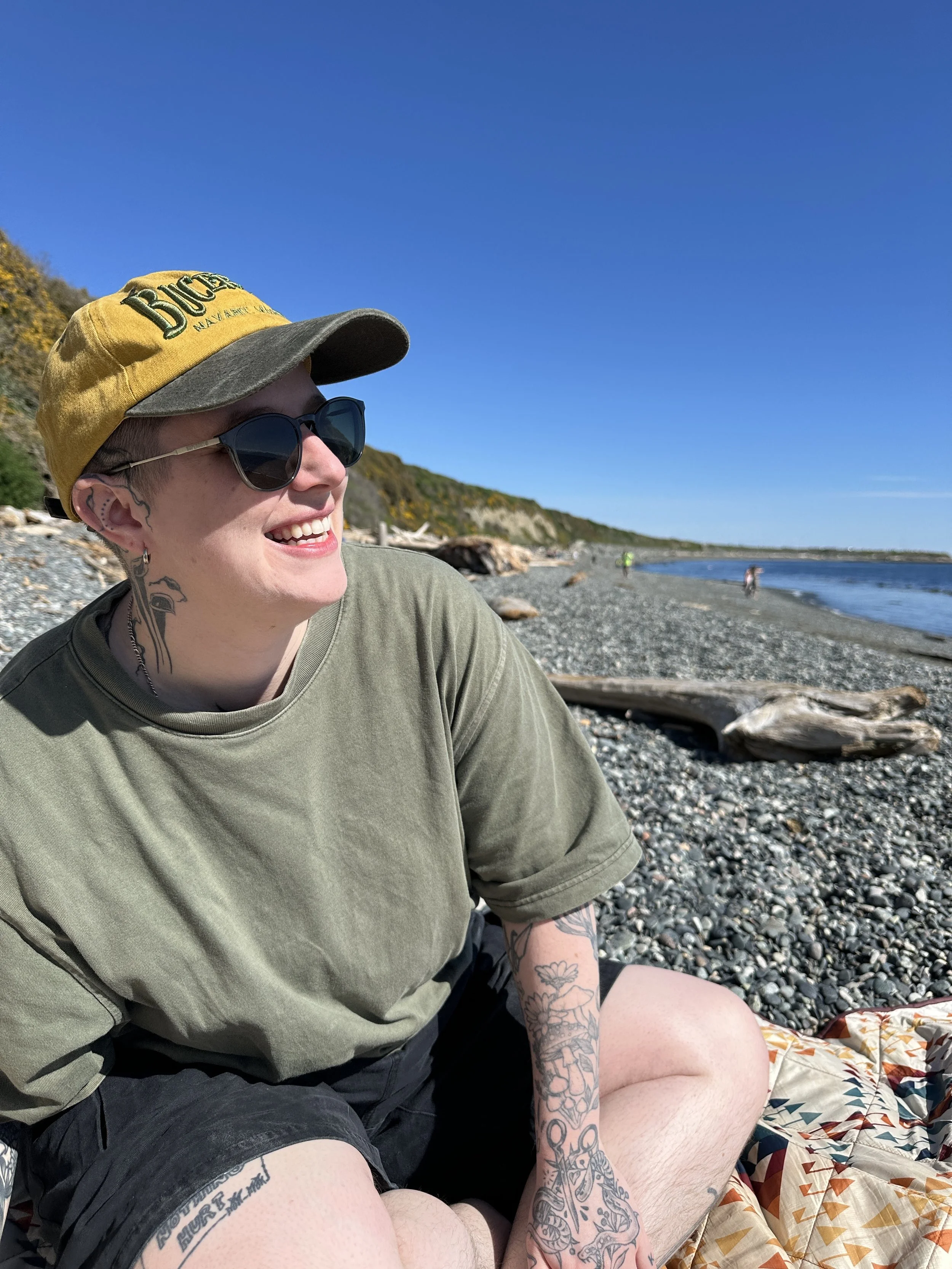
Hello! My name is Krys (they/them), and I’m the founder of Explicit Education. I’m a white, queer settler currently residing on the unceded territory of the lək̓ʷəŋən, Songhees and Esquimalt/Xʷsepsəm Nations, colonially known as Victoria, BC.
I believe that our experiences and identities shape our worldviews, so I’m going to take this opportunity to introduce myself and how I came to this work.
It may be cliché, but I’m going to start from the very beginning.
When I was growing up, it was just me and my mom. We were incredibly poor, and my mom struggled with substance use, mental illness and was the victim of abuse. Up until I was 12, she and I survived together in the best ways we knew how. Then, when I was 12, I was put into foster care until I turned 18. My childhood significantly shaped how I approach things, and although I’ve grown up and done a lot of healing, these experiences set the foundation for everything I do.
During my childhood, school was the closest thing I had to normalcy. Then, when I was a teenager, it became a refuge from my unsafe home environment. Foster care was harsh and lonely, and the hope of attending university kept me moving forward. I was always aware that excelling academically and pursuing higher education was my way out of repeating the patterns of abuse and neglect that defined my early years. Clearly, education has been a vital part of my life and remains so today.
When I was living with my mom, we were often homeless. Not the sleeping rough kind of homeless, but staying in shelters and couch surfing was common. Because of the gender-based violence my mom experienced, we were also frequently in women’s transition houses as she fled one abuser after the next. These, and many other unfortunate events led me to believe that I should pursue a career in social services. After all, I knew how it felt to be a service user and ultimately, found an ironic comfort in these spaces.
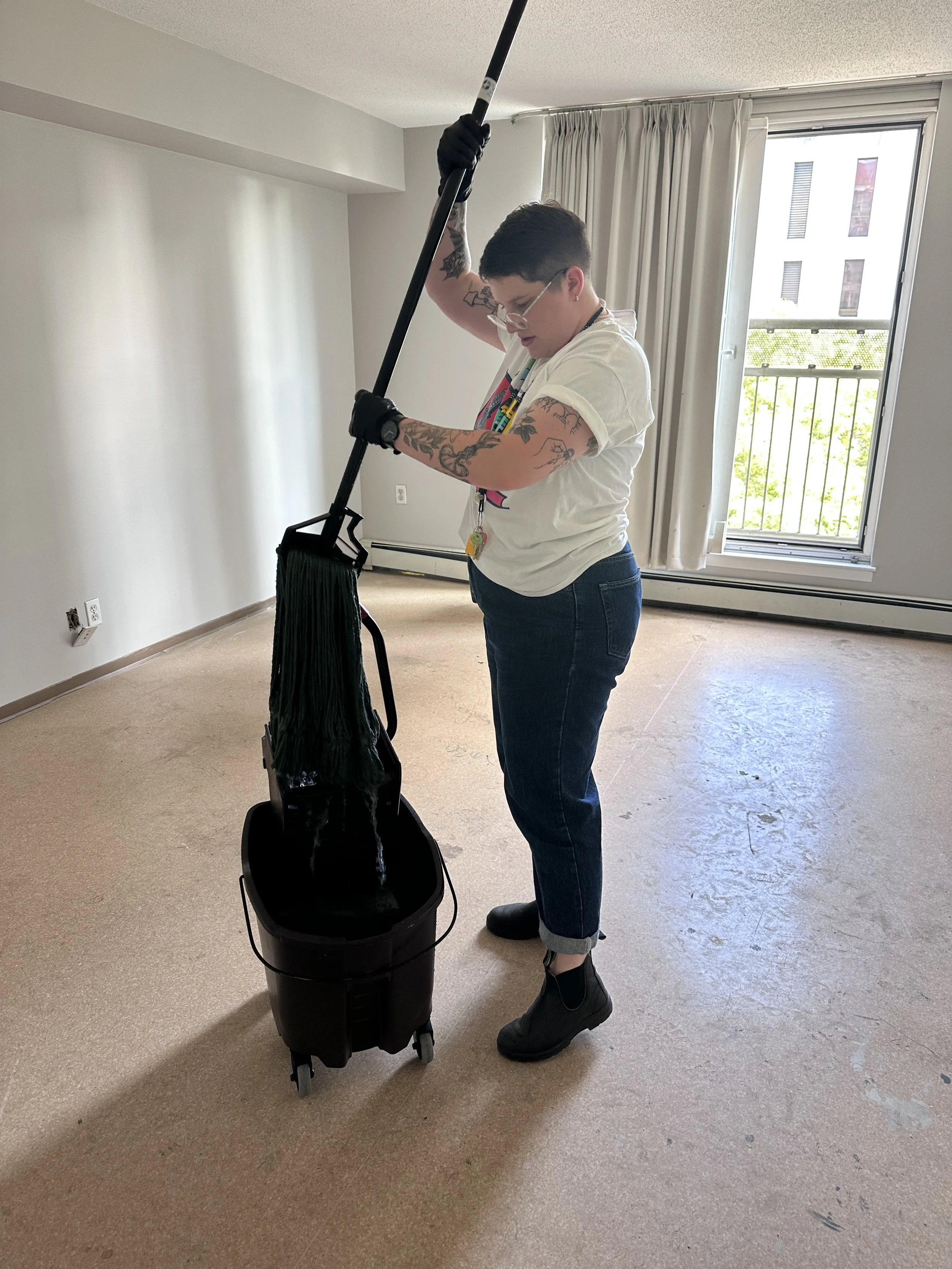
I went to the University of Victoria and graduated with an undergraduate degree in sociology. During this time and after, I began working in a variety of different non-profits (including a transition house). It wasn’t long before I was promoted into management roles, which triggered my interest in leadership and professional development and resulted in further education for a master’s degree in leadership. And while I loved leading my teams and providing necessary support to our community, I began to notice and become critical of serious gaps in practice.
I should also mention that while my lived experience was helpful in building strong, understanding connections with my teams and clients, it was also emotionally exhausting. Sometimes this was true when doing ‘frontline’ work, but many times it was the lack of capacity to make meaningful, systemic changes for those we served. It was the embedded oppression within the social services sector. I’m not saying here that social services isn’t a necessary, impactful sector - quite the opposite. These services are critical to ensuring that basic human rights are upheld for those most marginalized in our communities, and these efforts should be recognized as more valuable than they currently are by policies and societal attitudes.
Having spent the first ten years of my career following the path I set out for myself, I realized that there are other ways to do impactful and meaningful work. Combining my passion for education, connection and equity, I decided to create Explicit Education.
The intention behind Explicit Education is to raise awareness and challenge our thinking about how we interact with each other and with ourselves. Although Explicit Education has two different areas of expertise (sex education and diversity, equity and inclusion training), I see these two areas as inextricably linked. Sex education is conventionally inadequate. Although there is so much great work being done globally to shift this by making sex education more comprehensive. I want to expand thinking about what sex education can mean and for whom it applies, specifically within my community. Sex education is more than just anatomy; it’s also about looking at healthy relationships, power, identity and pleasure through an intersectional lens. This intersectionality means that everyone should be included and their experiences represented, because our social contexts cannot be removed from our experiences of sexuality. My approach isn’t devoid of the basics (sexually transmitted blood-borne infections, pregnancy, and puberty), but there is so much more we need to talk about, and that doing so, I believe, can drive impactful social change. Then there is the diversity, equity, inclusion and accessibility - here again, having conversations about how different experiences, identities and values contribute to our relationships with each other and ourselves, and how we can begin to incorporate a deeper understanding of how the social world shapes these experiences. I know this is broad, but the point I’m trying to make is that who we are, and how we treat others, how we connect and create community across differences, are the most powerful things we have. And this is especially important in our current era of division, misunderstanding and hate.
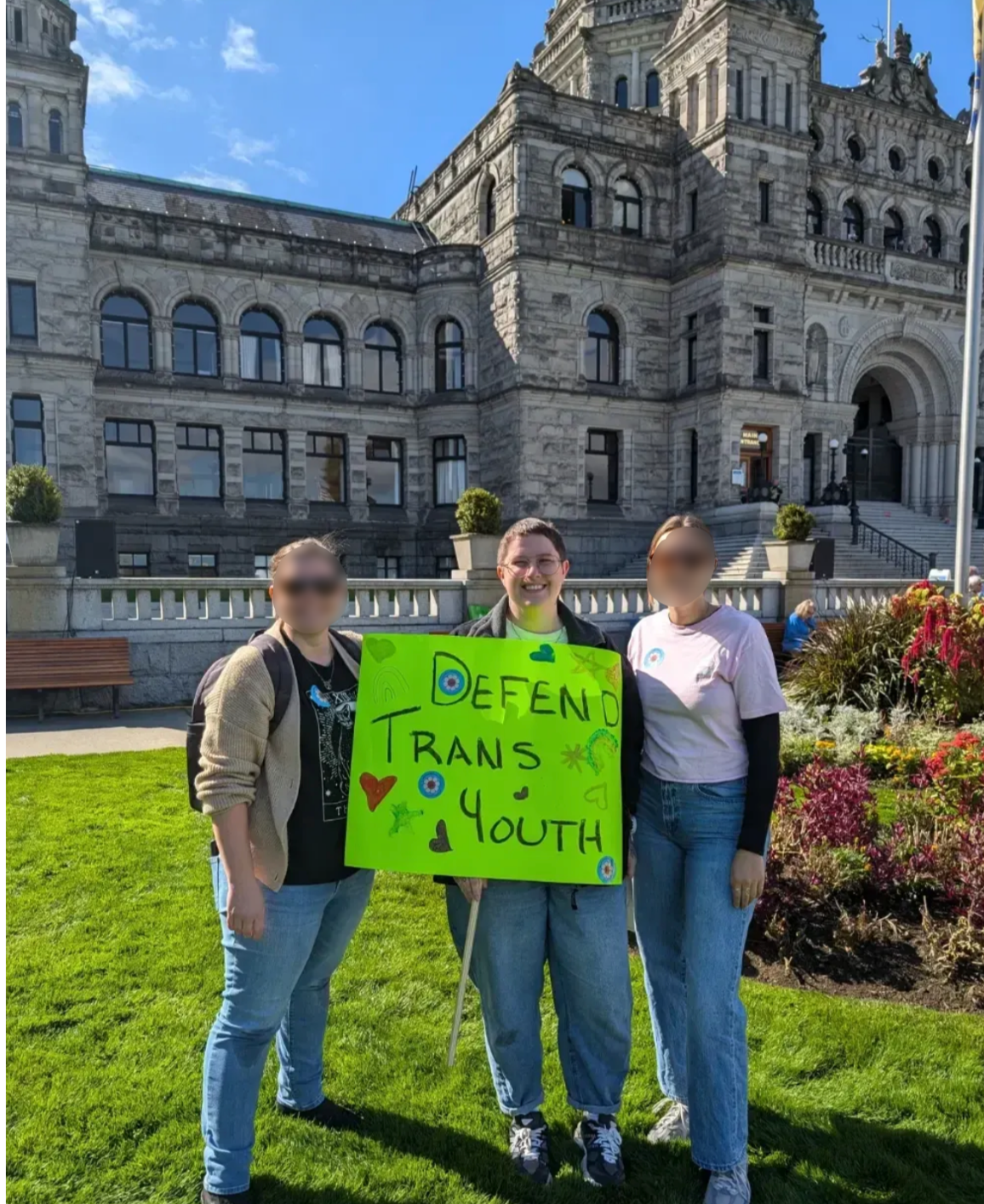
I come to these conclusions from my personal experiences, formal education and witnessing the fallout of systems and people that, at best, overlook, and at worst, intentionally contribute to oppression. I think that there’s a tendency to get trapped in everything that’s wrong with the world (because there sure is a lot), and I’m guilty of this. However, the intention behind Explicit Education isn’t to sit in this; rather, it’s to take that knowledge and, together, do something about it.
Thank you for taking the time to get to know me and reading about how I see the world. I’d love the opportunity to connect with you and discuss how we can collaborate on learning together, creating community and enacting change.
